
Understanding Yourself is The Key to Growth

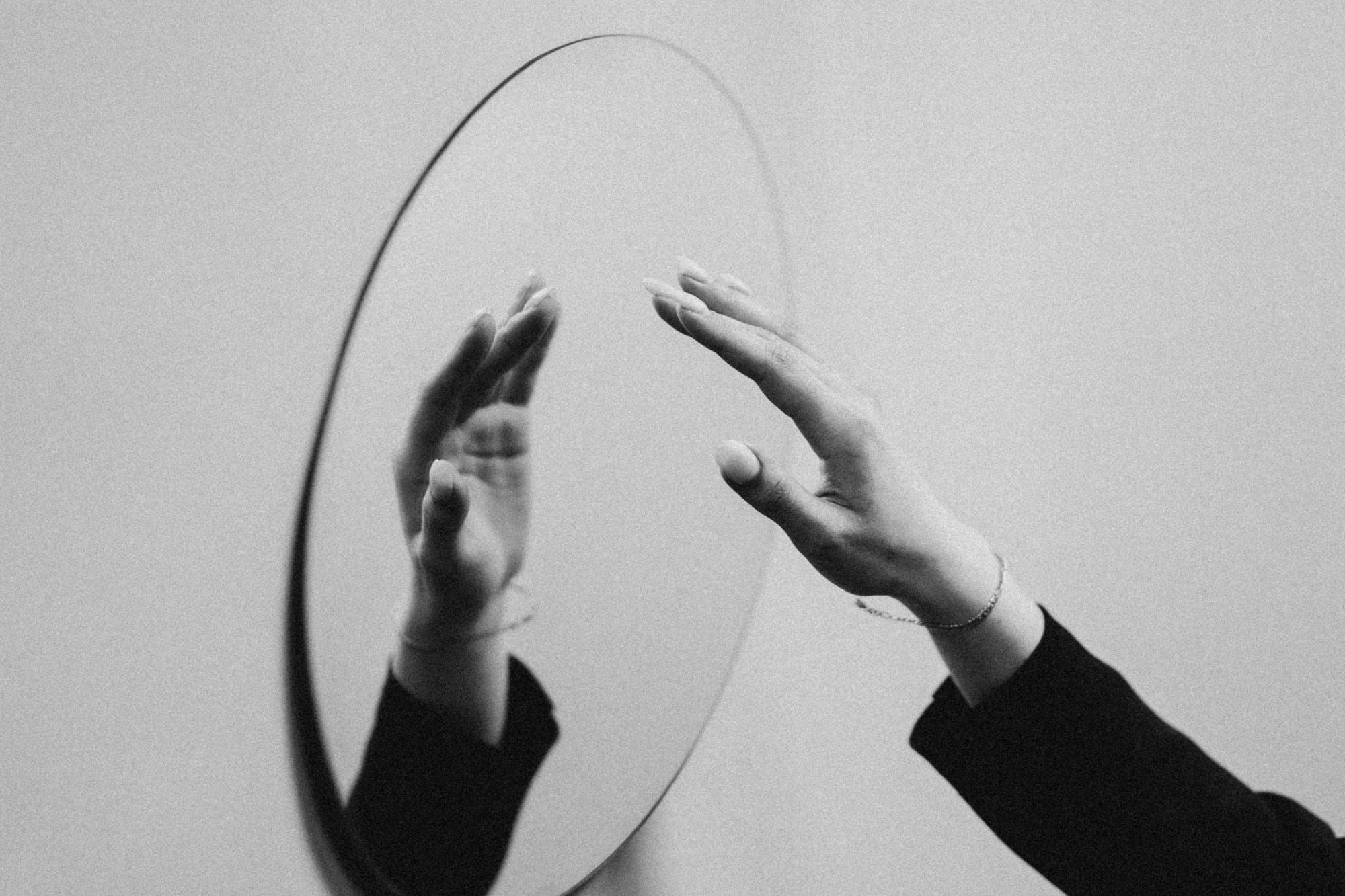
If you want to improve and achieve your goals, you need to know who you are.
Do you procrastinate?
Do you avoid failure?
Do you quit when things get hard?
These might seem like simple questions, because they are.
It should be easy to recognise your behaviours. You delay uncomfortable tasks, you avoid what you want when there's a chance of failure, and you quit when it gets tough.
But do you know why?
To truly understand yourself, you have to dig deeper than what’s on the surface. You should not only know your behaviours, but also know why you have them.
Without understanding why you do the things you do, changing your negative habits can be pointless. Like trying to drive a car without an engine, you can sit in the driver's seat, hands on the wheel and push the pedals with your feet, but you're just not going to move.
Enjoy ideas like this? Join GrowthHub and receive 2 ideas a week on personal growth, psychology, and becoming a better version of yourself.
Getting To Know Yourself
So you want to dig deeper to understand yourself better, but how is it done?
Well, for that, you’re going to have to understand something important, and it’s that most of what you think and do each day has a hidden driving force behind it: your subconscious mind.
This morning when you brushed your teeth, did you have to decide which hand to use? Or when you’re walking the dog around the park, do you have to purposefully put one foot in front of the other?
Probably not, because your subconscious mind does so much for you without you even realising it, including picking up patterns that influence your behaviour.
Years ago, I could scroll along social media and suddenly start feeling stressed or anxious, without having any idea why. I’d scroll back up only to find something I had seen that I didn't like.
I didn't know why I was anxious, but my subconscious mind noticed something and reacted, all below the surface of my awareness.
The reason this is relevant is that without truly knowing the power of the subconscious mind, you may never fully understand your behaviours.
You could hate asking for help, without ever realising that it’s because you believe it makes you weak. That’s an unconscious belief, and without understanding the existence and influence of the subconscious mind, you might never figure it out.
The goal is to bridge the gap between your unconscious patterns and your conscious understanding. The good news is, you have full control over the latter.
So, start paying attention. When you experience an emotion, or realising your acting on one, notice and question it.
Are you stressed? Ask why and keep asking why until you find the root cause.
Meditation helps as it allows you to observe the mind in a way that the world seems to be designed to prevent you from.
The more you pay attention and question why, the more you’ll find out.
Applying It To Grow

Unfortunately, if you truly want to improve, knowledge alone isn't enough. You have to put it to use.
You have to learn to catch your automatic reactions and behaviours as quickly as possible. At first, you'll notice them too late.
Maybe you're cleaning up the glass you smashed after losing your temper before you even realise that the anger wasn't really about what triggered it. The trigger was only the spark. The real cause was buried deeper.
But that's okay.
Notice it. Understand it. Break it.
With enough awareness, the distance between experiencing an emotion and recognising it begins to shrink. What once took hours to notice takes minutes. Then seconds.
Eventually, the same trigger comes along, but this time you catch it before the spiral begins.
That's when real change happens.
You stop being a slave to your own emotions and start taking back control. You don't stop feeling anger, fear, frustration, or anxiety. You simply stop allowing those emotions to decide what you do next.
Your awareness creates a space between what you feel and how you respond. And in that space, you gain a choice.
The better you become at understanding yourself, your emotions, your triggers, your patterns, and your automatic behaviours, the faster you grow.
And if you keep doing this long enough, one day you'll look back at the person you used to be and barely recognise them.