
What Actually Causes You To Change?


This question has been on my mind lately, I’ve been pondering it and have come up with an answer I’m pretty satisfied with.
What does it actually take for someone to go from 0 to 1? If there could be a deciding factor, what would it be?
Of course, the complexity and individuality of this question should be mentioned. We’re all different, and the reason why we decide to change our ways is subjective.
But might there still be a common factor, an underlying reason beneath them all?
It doesn’t take thinking about this for very long before you come across the old saying: “The pain of saying the same has to be worse than the pain of change”.
This makes complete sense and is an answer that sat right with me.
Changing is easy, by definition, it’s leaving the known and venturing into the unknown and the uncomfortable. If changing were easy, we’d all do it.
Therefore, if we want change, we have to have a strong enough reason to go through the pain that comes with said change, and if the pain of staying the same is worse, then it’s easy to see how that becomes the reason.
This is why you often see people go from rock bottom all the way to the top. Once you’ve reached the bottom, there’s only one other direction to go.
There’s a problem, however, and it’s that many people would see this as a dead end, a causation completely out of their control. If they’re not currently suffering or at rock bottom, they’ll never have the push it requires to become who they want to be, but this would be false.
What if I told you that with a slight mentality shift, you can actually create enough discomfort, you can create the push needed so that whatever pain comes with the change won’t be enough to stop you, finally allowing you to grow?
Because that’s exactly what I’m offering.
Being Honest With Yourself
The average person today is overweight, has no money and is dissatisfied with their lives, so aiming for average is not exactly a worthy goal.
I say this because in a world that’s trying to convince everyone that they’re perfect just the way they are, instead, be brutally fucking honest with yourself.
What happened to your dreams? Why can’t you look like an athlete? Why can’t you buy that Ferrari? Why can’t you love what you do? What’s actually holding you back?
Sasha decides that she’s had enough of being overweight and is going to finally look and feel the way she wants. But after trying for a couple of weeks, it gets hard, and she starts struggling, but who and what does she have to keep herself accountable?
Are people going to remind her of the health complications that can arise from being overweight? Does she have good examples all around her to look up to?
Probably not. It’s so easy today to convince yourself that being overweight might not actually be as bad as you think. And with that, the pain of staying there dissipates.
Instead of reminding yourself what it’s like to be overweight, simply do one Google search for “Body positivity”, and boom, your poor life choices are excused.
If you don’t believe me, just look at all the hate Adele got for losing weight. She was attacked for “Betraying body positivity”.
All this does is prove that it has become a preferred choice to try to bend how the world views your shortcomings, instead of simply putting in the work to change them.
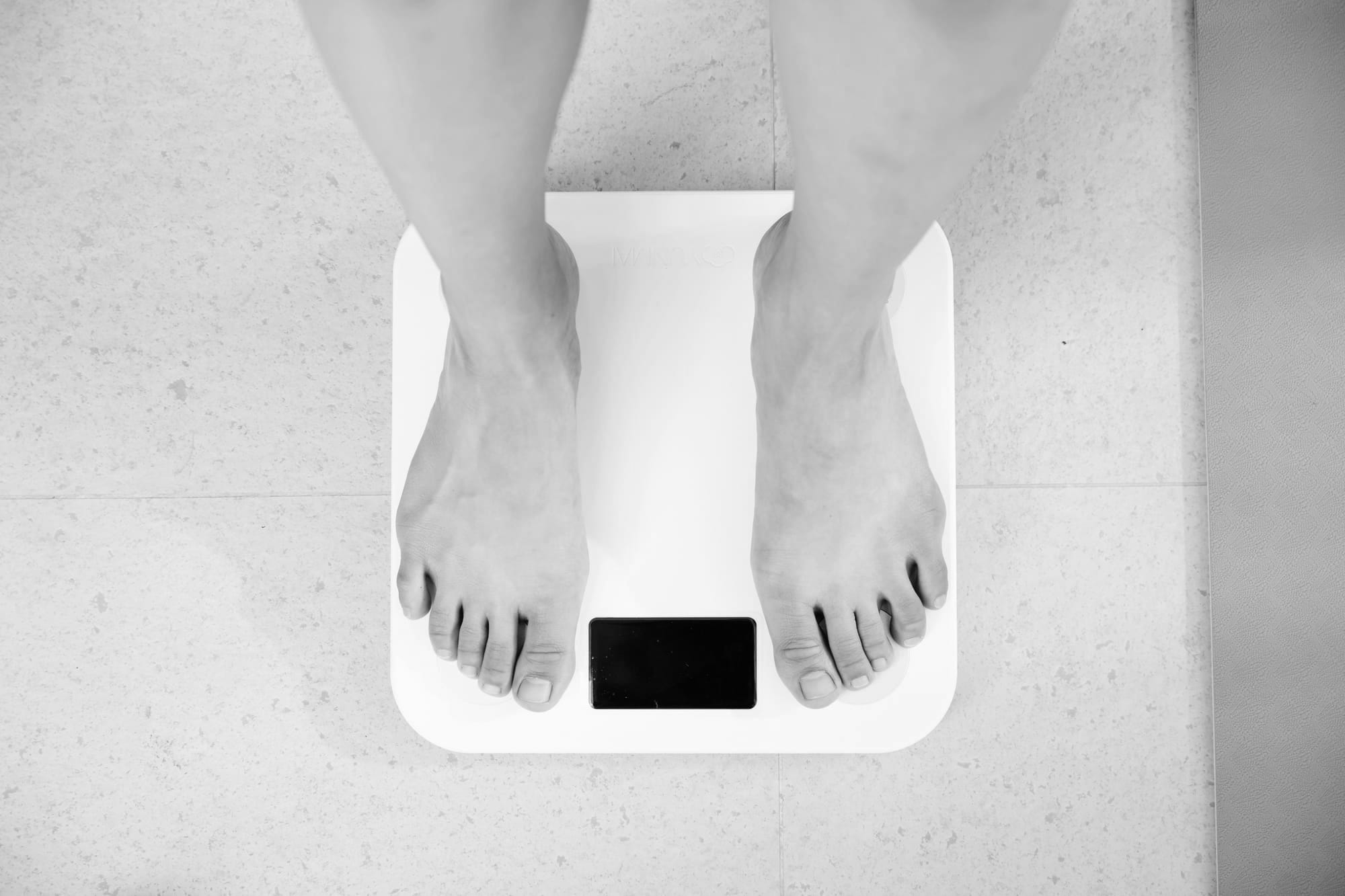
If Sasha reminds herself of all the negatives that come with being overweight and also all the positives that will come from finally changing, she may create enough friction and motivation to get herself through.
Asking yourself where you’ll be in 10 years is a good place to start.
This isn’t blaming or beating yourself up, it’s taking responsibility. It’s refusing to stay in denial and finally being honest with yourself to grow and become the person you’d prefer to be.
WAIT! Are you trying to become the best version of yourself? Subscribe and receive a blog every Wednesday and an interesting insight every Saturday, straight to your email. Let's grow together!
Make It Known
Another way you could increase the pain is to add accountability. Essentially, tell people what you plan to do, so that not doing it comes with a public consequence.
This one is more of a little trick, although it’s one I’m not very fond of. I think that if you’re going to change, it shouldn’t be for other people.
But we are social beings after all, and ignoring that fact is pointless, so why not use it to our advantage?
The more people Sasha tells about her weight loss journey, the more embarrassing it becomes to quit.
All you’re really doing is increasing the stakes, there’s more riding on your success than there otherwise would be by keeping it to yourself.
This is why hiring a personal trainer or having a gym buddy is so common, you’re letting more than just yourself down by not turning up.
So, whatever you’re trying to change about yourself, come up with ways to throw in some accountability.
If you’re running a marathon, do it for charity.
If you’re signing up for the gym, pay a year in advance.
If you’re starting a writing habit, state a day and time of publication.
To Conclude
Changing isn’t easy, and you’re going to need the pain of staying the same to outweigh the pain of change.
But this is in your control more than it may seem.
Take responsibility and be honest about your situation and how it’s holding you back, be honest about your shortcomings instead of coming up with ways to excuse them.
Tell people about what you plan to do, put money on the line. Do what you can to increase the stakes of falling back on your promises.